

The maritime industry is a vital component of Nigeria’s economy, and it has consistently contributed to the country’s revenue despite various economic challenges.
However, the sector still faces significant challenges, including inadequate infrastructure, lack of investment, and a shortage of skilled personnel.
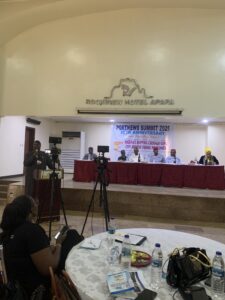
In his welcome address on its 30th anniversary celebration, Wale Oni the publisher of the Newspaper Ports News, being the first maritime Newspaper has highlighted the importance of the maritime industry to Nigeria’s economy and lamented the fact that the country has not been able to maximize its potential in the sector.
He praised the efforts of the Nigerian Maritime Administration and Safety Agency (NIMASA) in keeping the Cabotage Vessels Finance Fund (CVFF) intact for over 20 years, but questioned why the funds have not been released to support indigenous ship owners.
Key Issues:
Idle Funds: The CVFF has accumulated over $800 million, but the funds remain unutilized, depriving the industry of much-needed investment.
Lack of Investment :The country’s maritime industry is dominated by foreign operators, with local players struggling to compete.
Skilled Personnel: Nigeria has a shortage of skilled seamen and maritime professionals, leading to a reliance on foreign expertise.
Oni called on stakeholders to work together to address these challenges and unlock the country’s maritime potential.
He emphasized the need for a vibrant Cabotage regime, investment in infrastructure, and training programs for Nigerian seamen.
The Guest Lecturer, Captain Ladi Olubowale, is expected to provide insights into the way forward, drawing from his experience as President of the African Ship Owners Association.
The Way Forward:
Release of CVFF: The government should release the CVFF to support indigenous ship owners and stimulate growth in the industry.
Investment in Infrastructure: The government and private sector should invest in maritime infrastructure, including ports, terminals, and shipping facilities.
Training and Development: Programs should be established to train and develop Nigerian seamen and maritime professionals.
The maritime industry has the potential to be a game-changer for Nigeria’s economy. It is time for stakeholders to come together and work towards unlocking the country’s maritime potential.
