

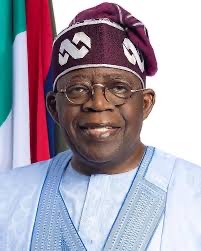
President Bola Tinubu’s performance so far has shown promising signs of economic growth and stability. In just two years, he’s added $67 billion to Nigeria’s GDP, growing the economy from ₦269.29 trillion to ₦372.8 trillion.
Nigeria has also maintained a trade surplus for ten consecutive quarters, with exports outpacing imports.
Some notable achievements include:
Economic Growth: GDP growth stood at 3.40% in 2024 and 3.87% in 2025, with projections of 4.4% growth for 2026.
Trade Surplus: Nigeria recorded a trade surplus of $10.83 billion in the first nine months of 2025.
Foreign Reserves: Surpassed $50 billion, reaching a 13-year high of $50.45 billion as of February 2026.
Inflation: Food inflation dropped to 8.89%, its lowest in 128 months.
Oil Production: Nigeria became West Africa’s largest fuel exporter and overshot its OPEC quota.
However, challenges persist, including food inflation and poverty. The World Bank projects poverty levels to reach 61% in 2025 and 62% in 2026, affecting approximately 139 million Nigerians.
Overall, President Tinubu’s reforms have shown positive results, but addressing the country’s structural issues and social challenges remains crucial.
Would you like to know more about the impact of these reforms on specific sectors or Nigeria’s economic outlook?
