

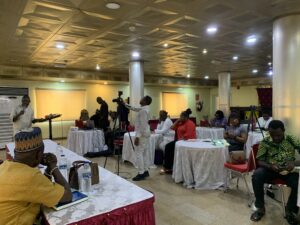
The hall buzzed with purpose as business leaders, policymakers, and innovators took their seats for the 9th CEOs National Roundtable Discussion.
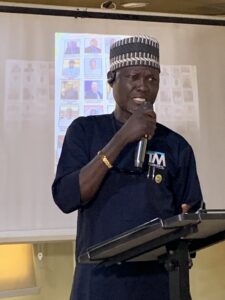
At the podium stood Adisa Y. Olamilekan, founder and convener of NEGF-Initiatives Concepts, with a simple story to tell: Nigeria’s future will be written by the people who dare to invest in it.
“It is both an honor and a privilege to welcome you to this gathering at a time when Nigeria’s economy demands bold thinking, strategic collaboration, and decisive action.”
The theme for 2026 was not chosen lightly: _“Sustaining Indigenous Investment and Protecting Private Enterprise Opportunities in National Development and Innovation.”_ Olamilekan framed it as a story Nigeria has been writing for decades, but with a plot twist that’s now overdue.
For years, the story focused on foreign capital. Valuable, yes. But as recent global shocks showed, foreign exchange volatility, inflation, and supply chain breaks expose the risk of depending too much on outside investors.
Indigenous investors, Olamilekan explained, are the steady characters in Nigeria’s economic story. They stay when storms hit. They keep hiring when others pull back. They understand local markets because they live in them.
The second chapter is about jobs. Small and medium businesses carry most of Nigeria’s employment. Every policy that eases their path protects a family’s livelihood. Every barrier placed in front of entrepreneurs doesn’t just slow business, it threatens social stability.
The third chapter is innovation. The solutions to Nigeria’s challenges in agriculture, energy, healthcare, manufacturing, and tech won’t come from a manual written abroad.
They’ll come from Nigerians who know the terrain. But innovation, Olamilekan warned, dies in uncertainty. It needs consistent policies, access to finance, and room to grow.
That’s why this Roundtable, he said, cannot be another chapter of speeches and observations. “We are here to generate practical recommendations and actionable commitments,” he told the room.
The story they must write together has four parts:
Identify the barriers: policy gaps, regulatory inconsistencies, and infrastructure deficits that frustrate local investors.
Build protection frameworks: systems that shield businesses from contract breaches and sudden policy shifts.
Unlock capital: tap pension funds, capital markets, development finance, and private partnerships to fund indigenous growth.
Strengthen collaboration: connect big corporations, startups, universities, and innovation hubs so ideas move from labs to markets.
As the discussions began, Olamilekan left the room with questions that read like plot points: How do we give businesses a 5-to-10-year planning horizon?
How do we spread opportunity beyond Lagos and Abuja to women, youth, and underserved regions?
How do we turn local content policies from rhetoric into real contracts for Nigerian firms? How do we build an innovation ecosystem where established companies mentor and buy from startups?
He ended with a shared responsibility narrative. To government: create an enabling environment, enforce contracts, reward compliance. To business leaders: invest in capacity and mentor the next generation.
To banks: design financing that fits Nigerian realities. To everyone: recognize that private enterprise is not just a sector. It’s a pillar of national development.
“Let this 9th CEOs Roundtable be remembered as the platform where commitments replaced complaints, partnerships replaced divisions, and stakeholders united behind one vision,” he said.
As deliberations opened, the message was clear: indigenous investment isn’t Plan B. It’s the main plot. If Nigeria gets that chapter right, the story ends with an economy that is resilient, innovative, inclusive, and globally competitive.
