

Lagos, Nigeria | August 18, 2026
The National Inland Waterways Authority, NIWA, and indigenous firm Parts Central Ltd. on Tuesday launched a 10-year Clean-Up deal to tackle pollution on Nigeria’s inland waterways.
But stakeholders warn that failure to honour the agreement could leave the waterways in a worse state, with direct consequences for safety, livelihoods and the blue economy.
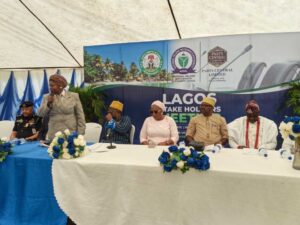
The deal, unveiled in Lekki Phase 1, Lagos, commits both parties to a structured waste-management system covering waterfronts, landing points, jetties and other strategic locations. It targets plastics, human waste, refuse and other pollutants choking the waterways.
*What’s at Stake If the Agreement Fails*
Experts and stakeholders say walking away from the partnership would reverse any gains and worsen existing problems:
Navigation and Safety Risks Increase
NIWA Lagos Area Manager, Engr. Sarat Braimah, said clean waterways enable easy navigation. Without the clean-up, debris and refuse will continue to clog channels.
“If the water is not clean, navigation will be difficult. Boat accidents and capsizing will rise,” she warned. The Marine Police echoed this, noting that polluted waterways raise the risk of accidents and loss of lives.
Economic Losses and Job Threats
About one-third of Lagos is covered by water, supporting thousands of jobs in transport, fishing and trade. Braimah said a dirty waterway kills jobs: “If the water is clean, it will create jobs for even our youth.”
Tourism operators also flagged the impact. NATOP President, Mrs. Bolaji Mustapha, recalled a tourist boat getting stuck due to debris. “Such incidents create a negative impression among international tourists,” she said.
Health and Environmental Degradation
Waste dumped into waterways ends up on community shores, according to the Odofin of Onisiwo, High Chief Lateef Rufai. Without collection systems, plastic, refuse and human waste will continue to poison aquatic life, destroy fishing grounds and force fishermen to travel farther, as noted by Lagos Commissioner for Waterfront Infrastructure, Hon. Ekundayo Alebiosu.
Illegal Activities Flourish
The Commissioner also linked neglect to illegal dredging and underground pipes that endanger boats. Without coordinated monitoring under the 10-year plan, such activities could go unchecked, increasing accidents.
*The 10-Year Plan Both Parties Must Sustain*
Under the agreement, Parts Central will provide NIWA-approved waste bins for boats and “mother bins” at jetties.
Managing Director Hon. Henry Olaoluwa Onifade said the system creates an organised chain for waste collection and disposal.
The partnership also targets behaviour change through public awareness, recycling advocacy, and cooperation with waterfront owners, boat operators and dredgers.
*Stakeholders Demand Accountability*
Community leaders and industry groups welcomed the initiative but stressed that success depends on both parties keeping to the terms.
Chief Raymond Gold of SWAADO said the Nigeria Waterways Directory could help track progress, but only if NIWA and Parts Central maintain the intervention.
“A cleaner waterways system means safer navigation, healthier ecosystems, stronger tourism and more employment,” he noted.
The Marine Police said environmental protection is a security issue, and urged communities to keep providing intelligence.
Bottom Line
With the 10-year renewable deal now active, NIWA and Parts Central have a window to turn Nigeria’s polluted waterways from liability to asset. But if either party fails to meet the agreement, Lagos risks deeper pollution, more accidents, lost jobs and a damaged blue economy.
As Engr. Braimah put it: “Making it work starts from making it clean.”
